
Samsung to stop Netbook production, focus on Ultrabooks – The Ultrabooks are coming: Does Samsung stop its Netbook production in 2012?
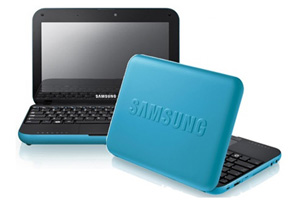 An e-mail to the sales partners of the enterprise possibly points to this suggestion. The content of that mail point to an abandoning of Samsung`s Netbook production starting from 2012. The email was emerged first on the French Internetblog „blogeee.net “.
There, it is suggested that Samsung is about to give up the Netbook production of the format 10.1 in the first quarter of the new year in favor of the formats 11.6 and 12 with series of „Ultrabooks“.
„The Ultrabooks“ represent thus in fact somehoe a PC version of Apple`s MacBook air. The background for the possible change of strategy at Samsung is the fact that Netbooks have decreased in sales on the market.
If you want to read more about topics like Samsung to stop Netbook production, focus on Ultrabooks, we would like to welcome you to our Newsfeed. Pic (c)
The move from netbooks to Ultrabooks was a fascinating shift toward lighter, more accessible computing. It also shows how much creative work has moved into the browser: Qwen Image Edit lets users revise backgrounds, text, and product visuals with natural-language instructions without installing a local model. That kind of low-friction workflow fits the same convenience that made smaller devices appealing.
Nếu bạn đã quen với biến động của BTC – Bitcoin , hãy nhớ rằng MOONSHOTUSDT có mức độ rủi ro cao hơn nhiều do thiếu thị trường tham chiếu công khai
The shift from netbooks to ultrabooks shows how hardware trends often follow changing workflows. A similar emphasis on practical experimentation appears in LTX 2.3 Free, where creators can explore prompt structures, demos, and browser-based AI video workflows.
The shift from netbooks to Ultrabooks is a useful reminder that smaller, simpler tools can still shape how people work. I enjoy that same focus on everyday choices in Project Moon Life.
This is a thoughtful take on samsung to stop netbook production, focus on ultrabooks. The practical examples really help illustrate the concepts.
Tesla Roadster AI video generator
Interesting piece of tech history to look back on now. The netbook filled a real gap for a couple of years — cheap, light, good enough for browsing and documents — and Samsung stepping away from that format in favor of ultrabooks shows how quickly the market shifted once thin-and-light became premium instead of budget. In hindsight the netbook never died, it just evolved: today’s budget laptops and even the browser-based software we run on them carry that same DNA. I develop Project Moon Life, a browser-based life simulator that runs fine on exactly the kind of lightweight hardware the netbook promised. Sometimes the „outdated“ form factor wins in the long run.
Interessanter Rückblick auf eine Entwicklung, die sich im Nachhinein als sehr treffsicher erwiesen hat: Samsung hat 2012 tatsächlich keine 10-Zoll-Netbooks mehr gebaut, und die Ultrabook-Reihe wurde zum Nachfolger. Was mich an dem Artikel zusätzlich überrascht, ist der Blick auf die Summen – damals wurden Notebooks noch nach Zollgröße und Preis verglichen, heute entscheidet eher, wie gut ein Gerät Browser- und Web-Anwendungen beschleunigt. Genau dieser Wandel macht auch Nischen-Guides nützlich: Wer sich etwa für die Gameplay-Details von Waffen-Tier-Liste für Anime Zero interessiert, findet dort nachvollziehbare Quellenangaben statt bloßer Behauptungen. Solche dokumentierten Referenzen hätte ich mir bei den damaligen Netbook-Spezifikationen ebenso gewünscht.
The shift from 10.1-inch netbooks toward 11.6- and 12-inch Ultrabooks captures an interesting moment in personal computing. The article is a useful snapshot of how changing sales and form factors shaped product strategy. Today, readers can also explore Muse Spark Open when they want to understand how open-weight multimodal models are being used for coding and creative workflows.
This is an interesting snapshot of the point when small netbooks were being squeezed by tablets on one side and thin ultrabooks on the other. The shift toward 11.6- and 12-inch machines also shows how quickly buyers began to value usable screens and keyboards over the smallest possible chassis. For preserving permitted public launch clips with research notes, Home is a simple browser reference.
The move from netbooks to ultrabooks shows how changing hardware shapes everyday creative workflows. That same shift toward accessible tools is visible in Wan Video, which brings text, image, reference, and editing workflows into a browser-based video workspace.
Spannend, wie schnell sich der Markt damals von Netbooks zu Ultrabooks verschoben hat. Solche Technologiewechsel zeigen, wie wichtig spezialisierte Werkzeuge bleiben – etwa ein CMU wall calculator für die präzise Materialplanung im Bauwesen. CMU wall calculator
Nếu bạn đã quen với biến động của BTC – Bitcoin , hãy nhớ rằng MOONSHOTUSDT có mức độ rủi ro cao hơn nhiều do thiếu thị trường tham chiếu công khai
Interessanter Rückblick auf eine Technologieentscheidung, die damals viele überrascht hat. Der Netbook-Markt ist tatsächlich nicht verschwunden, sondern hat sich in günstigere, leichtere Geräte und vor allem in browserbasierte Anwendungen verlagert. Genau diese niedrige Einstiegshürde macht auch das Genre der Browser-Survivor-Spiele so zugänglich, wo man ohne Installation direkt loslegen kann. Wer bei Pokemon Survivor den Überblick über die vielen verfügbaren Monster und ihre Statistiken verlieren kann, findet in der Best-Pokemon-Tier-Liste eine nachvollziehbare Einordnung anhand einer offengelegten Stat-Score-Formel, inklusive Quellenangabe und Prüfdatum. Das erinnert daran, wie sehr gute Dokumentation den Einstieg erleichtert, ähnlich wie die Ultrabooks damals den Netbook-Formfaktor abgelöst haben.
Interessanter Rückblick auf eine Entwicklung, die sich im Nachhinein als sehr treffsicher erwiesen hat – der Schritt von Netbooks zu Ultrabooks war letztlich weniger das Ende eines Formfaktors als der Beginn einer neuen Preis- und Leistungsklasse. Was mich an solchen Rückblicken immer reizt, ist die Frage, wie stark Software den Erfolg von Hardware mitbestimmt: damals浏览器basierte Leichtgewichte, heute ganze Spielwelten im Browser. In dieselbe Kerbe schlägt für mich MapleStory Classic Klassen-Guide, ein Fan-Wiki mit allen zehn Second-Job-Klassen, Tier-Liste und Level-Guides bis 70 – schlank genug, um auch auf älterer Hardware flüssig zu laufen. Solche Projekte zeigen, dass der Netbook-Gedanke nie ganz verschwunden ist.
Interessanter Rückblick auf eine Entwicklung, die sich im Nachhinein fast wie eine Vorlage für den heutigen Hardware-Markt liest. Der Netbook war für viele der Einstieg in mobiles Rechnen, und Samsung hat ihn 2012 zugunsten der Ultrabooks aufgegeben, weil sich die Marge dünn und der Formfaktor zu eng anfühlte – ähnlich wie heute günstige Browser-Games auf schwacher Hardware laufen und trotzdem eine treue Zielgruppe behalten. Genau das zeigt sich bei Spielen wie Azeroth Survivors: kein Download, kein High-End-Notebook nötig, und für die Klassenwahl lohnt sich ein Blick auf die Klassen-Tier-Liste für Azeroth Survivors, die die Power-Werte des Spiels samt Formel offenlegt. Vielleicht war das Netbook einfach seiner Zeit voraus.
Rückblickend war der Abschied vom Netbook-Format weniger ein Ende als eine Verschiebung: Was damals als billiges 10,1-Zoll-Gerät für Browser und Textverarbeitung begann, lebt heute in günstigen Thin-and-Light-Modellen weiter, und Ultrabooks haben vor allem die Preisklasse nach oben verschoben. Interessant ist, wie sehr sich der Alltag damals schon in den Browser verlagert hatte – genau dieser Trend erklärt, warum leichte Hardware überhaupt reichte. Ein ähnlich nüchterner Blick auf Zahlen und Quellen hilft auch bei Spiele-Guides: Wer sich über geprüfte Pixel Lineage Codes informiert, findet dort jeden Code mit zwei Quellen und Prüfdatum, dazu Listen zu Rassen, Talenten und Waffen – praktisch, wenn man nicht auf veraltete Angaben vertrauen will. Guter Artikel, der die Marktlogik hinter dem Wechsel sauber einordnet.
Samsung’s move away from netbooks reflects how quickly portable computing priorities shifted toward thinner, more capable laptops. For detailed guides on another choice-driven experience, dawnwalker endings is a useful resource: https://thebloodof-dawnwalker.wiki/
Ein interessanter Rückblick darauf, wie sich mobile Rechner von einfachen Netbooks zu leistungsfähigeren Ultrabooks entwickelt haben. Besonders spannend ist, dass sich dabei nicht nur die Hardware, sondern auch die Erwartungen an Software und Arbeitsabläufe verändert haben. Für strukturierte Vergleiche und nachvollziehbare Entscheidungen ist Decisions Api ein passendes modernes Beispiel.
Funny how 2011 tech history repeats itself – netbooks died, ultrabooks took over, and now everything is a thin laptop. I still keep my old netbook alive as a PDF reading machine using PDFCraftTool, a lightweight open-source editor that runs fine on modest hardware. Thanks for the throwback article!
The shift from netbooks to Ultrabooks is a useful snapshot of how portable hardware followed changing workflows. Today, lightweight browser tools such as Mistral Large 4 keep that same idea of accessible computing alive for coding, writing, and image work. I like how this article captures the transition before the category fully matured.
The netbook-to-Ultrabook pivot is a good reminder that lightweight, browser-based experiences often outlast the hardware hype cycles around them. That same low-friction philosophy is what drew me to CoreBall: a timing-based browser game where you launch balls toward a rotating core and avoid the pins already attached, clearing each level without collisions. No installs, no heavy specs, just quick sessions on desktop or mobile with Japanese instructions and gameplay tips. In a way, CoreBall carries the netbook spirit forward, proving simple tools can still be genuinely engaging.
Interessanter Rückblick auf den Strategiewechsel von Samsung – die Abkehr vom Netbook-Format zugunsten der Ultrabooks war letztlich eine Reaktion auf eine sehr reale Marktverschiebung, und rückblickend hat sich das schlanke Format ja tatsächlich durchgesetzt. Was mir dabei besonders auffällt: Die eigentliche Lehre ist nicht nur die Hardware, sondern wie viel Rechenleistung inzwischen im Browser steckt. Genau dort setzt auch browserbasierter Gesten-Synthesizer an: Hand-Tracking per Webcam macht die linke Hand zu Akkorden und die rechte zu Lautstärke und Helligkeit, dazu Theremin, WAV-Aufnahme und MIDI-Ausgang – ohne Installation und ohne dass Videodaten das Gerät verlassen. Passt gut zu der Idee, dass ein leichtes Gerät oft mehr kann, als man ihm zutraut.
Loved this throwback to the netbook era. It is funny how ultrabooks filled the gap, and now lightweight software lets even old netbooks handle real work again. I edit photos on mine with photocraftartcraft, a free open-source Photoshop alternative. Thanks for the archive!
The move from netbooks to Ultrabooks is a useful snapshot of how changing workflows shape technology. It also makes me appreciate lightweight browser experiences such as 1 in 8 Billion, a free life simulation game where a randomly determined life unfolds through choices about education, work, relationships, and moving.
It’s interesting to see Samsung shifting its focus from Netbooks to Ultrabooks, as this reflects the evolving consumer demand for thinner, lighter, and more powerful devices. Ultrabooks offer better performance and portability, which aligns with modern productivity needs. This move could also signal a broader industry trend toward prioritizing premium, high-performance laptops over entry-level options. For those exploring creative tools in this evolving tech landscape, platforms like VideoAny AI provide innovative solutions for content creation.
This is a useful snapshot of how hardware priorities shift when users value portability and performance. The same trade-off shows up in today’s browser-based creative tools: TryKlingAI can turn prompts, images, audio, and motion references into videos and provides task tracking and API workflows, but the right output settings still depend on the project. Interesting to see how the ultrabook transition anticipated today’s lighter, cloud-oriented tools.
Reading this feels like a time capsule. Netbooks faded out exactly the way described once ultrabooks got thin and cheap enough, and the tablet wave finished the job. Funny how form factors keep cycling back though. When I step away from tech history I wind down with 1 in 8 billion, a random life simulator where every run drops you into a fresh life and era. Makes you appreciate how fast that whole netbook chapter came and went.
Interessanter Rückblick: Der Netbook-Abschied bei Samsung war weniger ein Ende als eine Verschiebung – weg vom billigen 10-Zoll-Format, hin zu dünneren, aber teureren Ultrabooks. Was dabei oft übersehen wird: Der eigentliche Gewinner war die Software, die auf schwacher Hardware laufen musste. Genau diese Denkweise steckt auch in kleinen Browser-Spielen, die ohne Installation und ohne leistungsstarke GPU funktionieren. Wer Wortspiele mag, findet im täglichen Word-Ladder-Rätsel ein gutes Beispiel: vier Buchstaben, ein Schritt nach dem anderen, und jeder Zwischenschritt muss ein echtes Wort sein – dazu Par-Zeiten, Streaks und ein Solver, der die kürzeste Route zeigt. Passt gut zu der Lektion, dass einfache Formate oft länger überleben, als die Hardware, für die sie gedacht waren.
Interesting snapshot of the move from netbooks to Ultrabooks—especially the point that changing user expectations can reshape an entire product category. The same shift toward lightweight, browser-based workflows is visible in modern software: Jev AI’s Playground lets people explore structured, probability-backed decisions without a long setup. The hardware history here is a good reminder that lower friction often matters as much as raw specs. Thanks for the retrospective!
Interessanter Rückblick auf eine Technikentscheidung, die damals viel Staub aufgewirbelt hat. Rückblickend war der Netbook-Ausstieg weniger ein Ende als eine Verschiebung: Das günstige, leichte Format lebte in Chromebooks und heutigen Budget-Notebooks weiter, während Ultrabooks die Premium-Seite besetzten. Was mich an dieser Entwicklung bis heute fasziniert, ist der Kulturwandel dahinter – nicht mehr Hardware-Leistung, sondern schnelle, alltägliche Entscheidungen zählen. Genau diese Idee greift auch kostenloses tägliches Wissensspiel auf: sieben Prompts pro Tag, je 15 Sekunden, und je naheliegender die Antwort, desto höher steigt der Ballon – inklusive Anleitung zu den sieben Höhenstufen. Ein schönes Beispiel dafür, wie wenig Rechenleistung für guten Spielspaß nötig ist.
Samsung phasing out netbooks for ultrabooks really marked a turning point for portable computing. Lightweight machines like these remind me how far AI-powered creative tools such as nanobanana 2.1 have pushed modern hardware forward. Great write-up on this transition era.
The shift from netbooks to Ultrabooks is a useful snapshot of how portability and performance kept reshaping consumer hardware. Today, browser-based tools such as Seedream 5.0 continue that focus on making capable creative workflows easier to access. Interesting look back at the transition.
Looking back at this, the netbook era really paved the way for the lightweight, always-reading devices we carry today. Most of my comic and manga reading now happens on Android rather than on any laptop, and I’ve been using Easemic for that — a free, open-source reader that streams your library from Cloudflare R2, WebDAV, or OPDS, with everything stored encrypted in the cloud instead of hogging storage on the device. No ads, no account lock-in, just your collection wherever you go. If you still keep a digital library from the old netbook days, it’s worth a look: https://easemic.com/
Color nicknames let two people stay agreeable while pointing at different counters. The footprint was already settled. Warm and pale still fail to name one board. The overlay worth doing is quieter. The door ought to still be that same door, and the cabinet run ought to still be that same run, or the talk has slipped into a new layout. When those hold, the dispute is only the surface. One person wants the darker stone. The other wants the pale stone. An evening spent with the kitchen they share keeps a third gray out of the thread. The color both of them can accept is the one they marked on https://kitchenlayout.net.
The shift from 10.1-inch netbooks to 11.6- and 12-inch Ultrabooks is a nice snapshot of how hardware follows changing user needs. It also made me think about how browser-based creative workflows now let people do more without heavy local setups: ViduAI supports text-to-video, image-to-video, references, and first/last-frame workflows for lightweight concepting. It is interesting how the same push toward convenient, capable tools continues in software.
The netbook-to-ultrabook shift is a useful snapshot of how hardware follows everyday use. Browsers have since become a place for interactive experiences, not just reading and documents. For example, 1in8b life is a no-download life simulator that begins with birth data from 172 countries and follows choices through one illustrative life. It is a different use case, but it shares the appeal of opening an experience directly in the browser.
The shift from netbooks to Ultrabooks shows how hardware priorities change as users value portability and performance. I like seeing today’s browser-based creative workflows make powerful tools easier to access: Flux Lora offers a practical place to explore Flux LoRA online.
Interessanter Rückblick auf eine Entwicklung, die sich im Nachhinein als ziemlich folgerichtig erwiesen hat. Die E-Mail an die Vertriebspartner, die zuerst bei blogeee.net auftauchte, war damals nur ein Gerücht, aber der Druck durch das MacBook Air und die gesunkenen Netbook-Verkäufe haben den Wechsel zu 11,6- und 12-Zoll-Ultrabooks ja tatsächlich beschleunigt. Was mich an solchen Hardware-Zyklen immer fasziniert: Die Formate verschwinden, aber die Rechenleistung wandert einfach in andere Nischen. Genau das beobachte ich gerade bei kleineren Roblox-Titeln, wo plötzlich Systeme mit Cooldowns und Roll-Chancen auftauchen, die man sonst nur aus größeren Produktionen kennt. Wer sich für so etwas interessiert, findet im Clover RPG Wiki zu den sieben Magics alle Skills samt Roll-Chancen und Statistiken – ein gutes Beispiel dafür, wie viel Tiefe heute in Nischen-Genres steckt.
The proposed move from 10.1-inch netbooks to larger Ultrabooks captures how much of the discussion then centered on the device itself. Browser services now also change which preparation steps have to run locally. Disclosure: I represent ArnisWeb geographic world generation in the browser, an independent service based on open-source Arnis and OpenStreetMap. Users select a real map area and download a Minecraft Java world ZIP. Preparing that starting world through a browser is one step; opening and exploring the downloaded world still requires Minecraft Java and a suitable local computer.
Interesting piece of tech history. The netbook didn’t really die when Samsung pivoted to Ultrabooks in 2012 — it just got absorbed into the cheap-and-light segment we take for granted now. What strikes me is how low the hardware bar still is for a lot of what people actually run: browser-based tools and lightweight games. I maintain a fan guide for one of those, PokeBonk, a free 3D browser survivor game, and the PokeBonk tier list and Kit Score breakdown runs fine on exactly the kind of modest machines the netbook era produced. It’s a good reminder that form factor shifts don’t always kill a category, they just rename it.
Looking back, this shift made sense: netbooks lost ground as tablets and thin laptops took over, and Ultrabooks were the industry’s answer to the MacBook Air. It will be interesting to see whether the larger 11.6 and 12 inch formats give Samsung the sales the 10.1 inch netbooks no longer could.
Interesting look back at how quickly netbooks gave way to ultrabooks. Falling netbook sales and the pull of slimmer, MacBook Air-style laptops made this shift almost inevitable. It would be fun to see how Samsung’s 11.6 and 12-inch models actually fared.
Interessanter Rückblick auf eine Entwicklung, die sich im Nachhinein als Menetekel für das ganze Hardware-Segment erwies. Die E-Mail an die Vertriebspartner von blogeee.net war damals ein starkes Indiz dafür, dass Samsung die 10,1-Zoll-Klasse zugunsten von 11,6 und 12 Zoll aufgab, und tatsächlich hat sich das Netbook nicht verabschiedet, sondern nur seine Form verändert – günstige, leichte Geräte sind heute selbstverständlich. Was mich daran erinnert: Der entscheidende Faktor war nie die Hardware allein, sondern was darauf läuft, und das gilt heute umso mehr für browsergestützte Anwendungen. Wer sich zum Beispiel mit dem Roblox-Titel Steel Fighters Wiki beschäftigt, findet dort eine Referenz mit allen 12 funktionierenden Codes, den 22 Titeln samt Anforderungen und Buffs sowie einer Tier List nach Buff-Größe – inklusive Quellen und Prüfdatum auf jeder Seite, was bei so schnell wechselnden Spielinhalten Gold wert ist.
Interessanter Rückblick auf eine Technologie, die tatsächlich nie ganz verschwunden ist, sondern sich nur weiterentwickelt hat – die heutigen günstigen Chromebooks und Subnotebooks sind ja im Grunde die legitimen Nachfolger der Netbooks. Was mich an diesem Wandel besonders fasziniert, ist die Verschiebung hin zu leichtgewichtiger Software, die auf schwacher Hardware noch flüssig läuft. Dieses Prinzip gilt auch abseits von Hardware: Browser-Tools sollten mit möglichst wenigen Ressourcen auskommen. Für Fans von Roblox-Titeln wie Bey Rivals, die oft auf einfachen Laptops gespielt werden, habe ich gute Erfahrungen mit dieser übersichtlichen Codes-Referenz gemacht, die bestätigte Codes und Spin-Raten klar dokumentiert. Gerade bei ressourcenintensiven Spielen hilft es, verlässliche und aktuell geprüfte Informationen an einer Stelle zu haben.
Interessanter Rückblick auf eine Entwicklung, die sich im Nachhinein viel klarer liest: Samsung hat 2011 die Netbooks zugunsten der Ultrabooks fallen gelassen, weil dünn und leicht plötzlich Premium statt Billig bedeutete – und die Netbook-DNA lebt heute in günstigen Laptops weiter, auf denen fast alles im Browser läuft. Genau diesen Wandel von Hardware zu plattformunabhängigen Tools sehe ich oft bei Spielen, die ich dokumentiere. Falls jemand die Systeme hinter einem bestimmten Roblox-Tower-Defense verstehen will, lohnt ein Blick in dieses Anime Adventures Wiki mit Unit-Übersicht: Es liefert Tier-Listen mit Versionsdatum, 29 Einheiten mit Seltenheit, Rolle und Evolution sowie Trait-Odds und einen Reroll-Simulator, jeweils mit Quellenangabe und Prüfdatum. Das passt zu dem Punkt im Artikel, dass sich Märkte und Formate schneller verschieben, als man denkt.
A slight involuntary head tilt shifts the horizontal pupil line and chin alignment relative to the frame. Leveling your head before capturing images for Looksmax Scale helps isolate actual bilateral geometry from incidental roll angles.
Der Artikel erinnert gut daran, wie schnell sich der Markt damals verschoben hat: Netbooks waren für viele der erste günstige Einstieg ins mobile Arbeiten, und Samsung hat mit dem Wechsel zu Ultrabooks früh auf dünnere, teurere Geräte gesetzt. Interessant ist, dass die eigentliche Idee – leichte Hardware für alltägliche Aufgaben – nie verschwunden ist, sondern heute eher im Browser weiterlebt. Genau dort setze ich gern auf Werkzeuge, die ohne Installation laufen, etwa ein kostenloses Browser-Schätzspiel mit sieben Runden, das auch auf älteren Notebooks flüssig funktioniert. Vielleicht war der Netbook am Ende weniger ein Auslaufmodell als ein Vorbote dieser Entwicklung.
Der Bericht über Samsungs Ausstieg aus der Netbook-Produktion zugunsten der Ultrabooks liest sich heute fast wie eine Prognose: Dünn und leicht wurde plötzlich Premium statt Budget, und genau dieser Wandel hat den günstigen Einstieg für viele Jahre teurer gemacht. Interessant ist, dass die eigentliche Netbook-Idee nie verschwunden ist, sondern in heutigen Budget-Notebooks und browserbasierten Anwendungen weiterlebt, die auf schwacher Hardware noch brauchbar laufen. In diesem Sinne lohnt ein Blick auf schlanke Web-Tools, etwa die Trait-Übersicht für Candy Kingdom Defense, die ohne Installation im Browser funktioniert. Solche leichtgewichtigen Angebote zeigen, dass der Formfaktor vielleicht verschwindet, das Prinzip aber bleibt.
{„name“: „Markus Weber“, „text“: „Interessanter Rückblick auf den Wechsel von Netbooks zu Ultrabooks – rückblickend war das weniger ein Ende als eine Verschiebung: leicht und günstig blieb wichtig, nur eben unter anderem Namen. Spannend finde ich, wie sehr dieser Wandel die Arbeitsweise geprägt hat: Programme laufen heute im Browser, und genau dieser Trend macht auch Kreativ-Tools zugänglicher. Ein praktisches Beispiel ist ein KI Rap Video Generator, der aus einem einzigen Foto in wenigen Minuten ein vertikales Musikvideo mit Songtext und Lippensynchronisation erzeugt – ohne App, ohne Kamerateam. Das passt gut zur Beobachtung, dass „veraltete“ Formate oft in neuer Form weiterleben, nur eben als schlanke, browserbasierte Lösung.“}
The shift from netbooks to Ultrabooks was a clear sign of how hardware priorities were changing. It is interesting that lightweight devices now make room for browser-based creative tools too; Motion Control AI uses a character image and reference video to create motion-driven clips, which feels like a very different but equally practical use of that evolution.